


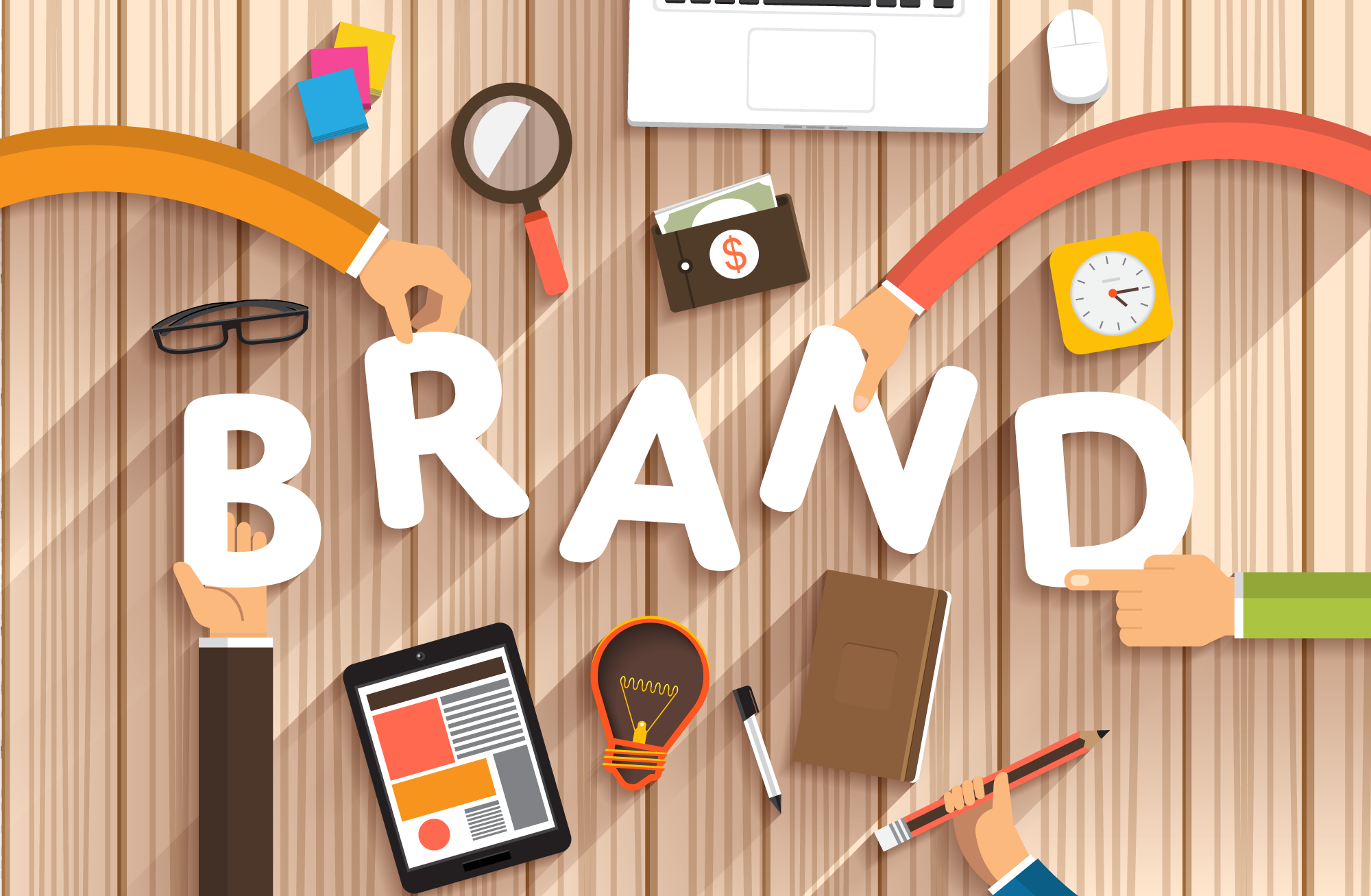
Introduction to How to Develop a Personal Brand
What Does It Mean to Develop a Personal Brand?
If you’re wondering how to develop a personal brand, it means creating a clear and consistent identity that reflects who you are, what you do, and what value you offer. It’s about shaping how people see you both online and offline.
Your personal brand is your reputation, your story, and your professional image combined into one powerful presence.
Why Personal Branding is Important
In today’s digital world, personal branding helps you stand out. Whether you’re looking for a job, clients, or recognition, a strong personal brand gives you a competitive edge.
A well-developed personal brand can:
- Build trust and credibility
- Increase your visibility
- Attract better opportunities
- Help you grow professionally and financially
Step 1: Self-Discovery and Clarity
Identify Your Strengths
Start by understanding your skills, talents, and passions. What are you good at? What do people come to you for?
Define Your Goals
Set clear goals. Do you want to grow on social media, get clients, or build authority in your field?
Step 2: Choose Your Niche
Importance of Niche Selection
Choosing a niche helps you focus and stand out. Instead of trying to reach everyone, target a specific audience.
Finding Your Area of Expertise
Pick a niche that matches your skills and interests. This makes it easier to stay consistent.
Step 3: Define Your Unique Value Proposition
What Makes You Different
Ask yourself: Why should people follow you? What makes you unique?
Communicating Your Value
Clearly explain what you offer and how you help others.
Step 4: Build Your Online Presence
Social Media Optimization
Create professional profiles on platforms like LinkedIn, Instagram, or YouTube. Use a clear profile picture and bio.
Creating a Personal Website
A personal website adds credibility and gives you control over your content.
Step 5: Content Creation Strategy
Types of Content
- Educational posts
- Personal experiences
- Tips and tutorials
- Industry insights
Consistency and Planning
Create a content schedule and post regularly to build trust.
Step 6: Build Relationships and Network
Networking Strategies
Connect with people in your niche through comments, messages, and collaborations.
Audience Engagement
Engage with your audience by replying to comments and messages.
Step 7: Maintain Consistency
Visual Branding
Use consistent colors, fonts, and design elements.
Tone of Voice
Keep your communication style consistent across all platforms.
Step 8: Improve Your Skills
Continuous Learning
Keep learning new skills to stay relevant.
Staying Updated
Follow trends and adapt your strategy accordingly.
Step 9: Monitor and Improve Your Brand
Using Analytics
Track your performance using analytics tools.
Adapting Your Strategy
Improve your approach based on what works best.
Step 10: Stay Authentic
Importance of Authenticity
Being real helps build trust and long-term relationships.
Building Trust
People connect with honesty and transparency.
Common Mistakes to Avoid
Inconsistency
Posting irregularly can weaken your brand.
Copying Others
Trying to imitate others reduces authenticity.
Tools to Develop a Personal Brand
Content Creation Tools
- Canva
- Notion
- CapCut
Analytics Tools
Use analytics tools to measure growth and engagement.
FAQs About How to Develop a Personal Brand
1. How to develop a personal brand from scratch?
Start with self-discovery, choose a niche, and create consistent content.
2. How long does it take to develop a personal brand?
It takes time and consistent effort.
3. Can beginners develop a personal brand?
Yes, anyone can start and grow their brand.
4. Which platform is best for personal branding?
LinkedIn, Instagram, and YouTube are popular options.
5. Is content important for personal branding?
Yes, content helps build visibility and trust.
6. What is the most important step in personal branding?
Consistency and authenticity are the most important factors.
Conclusion
Learning how to develop a personal brand is one of the best investments you can make in your future. By focusing on clarity, consistency, and value, you can build a strong identity that attracts opportunities and builds trust.
Start today, stay consistent, and keep improving your personal brand will grow with you.