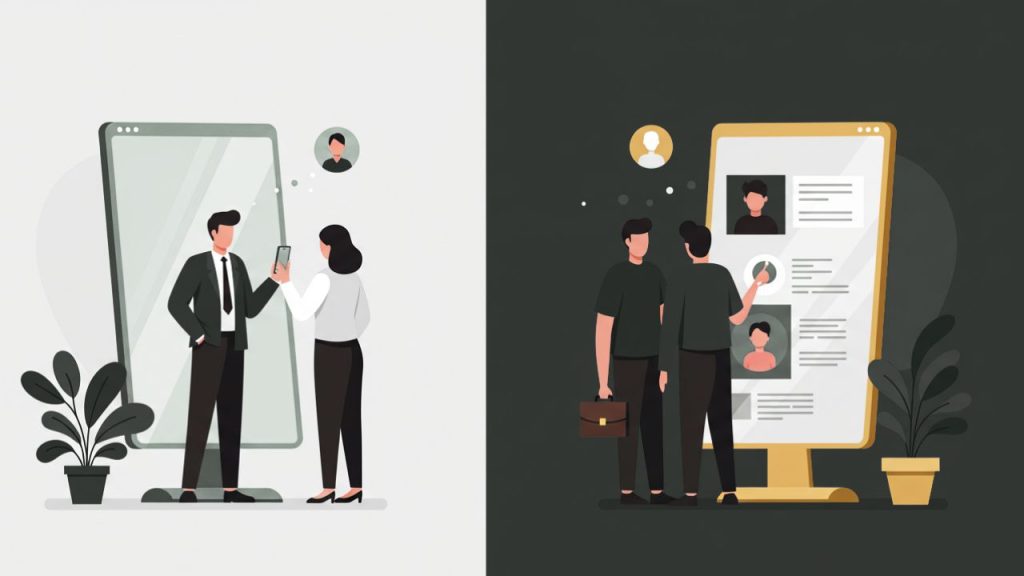


Introduction: The Digital Handshake That Defines You
“You never get a second chance to make a first impression.” This old saying is more relevant today than ever before. But now, that impression is rarely made face-to-face. Instead, it happens through a Google search, a LinkedIn profile, or even the first three seconds someone spends on your website.
In today’s hyper-connected world, your digital presence speaks louder than a handshake. In fact, a Princeton University study shows that people form judgments about trustworthiness and competence in as little as 100 milliseconds—faster than the blink of an eye.
Therefore, personal branding in the digital age is no longer optional. Every professional interaction begins online—whether you realize it or not.
The Psychology Behind First Impressions
Humans are wired to make snap judgments, a concept psychologists call thin slicing. While this instinct once helped our ancestors survive, today it influences career opportunities and professional relationships.
- Appearance & Visual Cues: A Stanford study found that profile pictures can influence hiring decisions more than resumes in early stages.
- Language & Tone: The way you write—professional, casual, or technical—shapes how others see your credibility.
- Consistency: Inconsistencies between your LinkedIn and Twitter presence create mistrust.
Online first impressions aren’t just about visuals—they’re about psychological alignment between what you present and how people perceive you.
Why Digital First Impressions Matter More Than Ever
Think about the last time you Googled someone before meeting them. Chances are, you made assumptions about their professionalism or expertise before they spoke a word.
- Stat Insight: According to CareerBuilder, 70% of employers screen candidates via social media before hiring.
- Case Study: In 2022, a marketing consultant lost a six-figure contract because of outdated, inconsistent branding across platforms. The client concluded: “If he can’t manage his own digital presence, how can he manage ours?”
In short, your online brand isn’t a supplement—it’s your front door to new opportunities.
5 Key Elements That Shape Digital First Impressions
1. Profile Pictures and Visual Identity
A professional yet approachable photo builds instant trust.
- Tip: Use a high-quality image where your face covers 60% of the frame.
- Data: LinkedIn reports that profiles with headshots get 21x more profile views.
2. Headlines, Bios, and About Sections
Your bio acts as your digital elevator pitch.
- Replace generic titles (“Marketing Professional”) with value-driven ones (“Helping Startups Scale with Data-Driven Marketing”).
- Add SEO keywords to ensure your profile appears in search results.
3. Content Consistency Across Platforms
Mixed signals—like being “inspirational” on Instagram but overly “formal” on LinkedIn—confuse audiences.
- Tip: Audit your messaging and visuals quarterly.
- Keep your values consistent, even if tone varies slightly by platform.
4. Digital Footprint and Search Results
Google yourself—what do you find?
- Outdated blogs or irrelevant images may rank higher than your brand message.
- Control the narrative by creating fresh, optimized content.
5. Responsiveness and Digital Etiquette
Slow replies or ignored comments damage trust.
- Data: HubSpot found that 90% of people expect a reply within 24 hours on professional platforms.
- Prompt responses show reliability.
Common Mistakes Professionals Make
- Over-polishing their persona—appearing fake.
- Ignoring digital hygiene—old posts or broken links.
- Focusing only on visuals—while neglecting bios and captions.
- Being inactive—an idle LinkedIn suggests stagnation.
- Offline vs. online misalignment—discrepancies damage credibility.
Real Success Story: First Impressions That Opened Doors
Sarah, a 29-year-old data analyst, had strong skills but few interviews. After improving her LinkedIn photo, rewriting her bio around problem-solving, and posting weekly insights, she doubled her interview calls in three months. One recruiter even said: “We felt like we already knew her before meeting.”
Her skills stayed the same—but her digital first impression changed everything.
Future Trends in Digital First Impressions
- AI-Powered Screening: Resumes are now scanned alongside online profiles.
- Video First Impressions: TikTok, Reels, and Shorts are reshaping branding.
- Authenticity Over Perfection: Raw content is more trusted than overly polished posts.
- Virtual Identity: Soon, your VR or metaverse presence may become your “first handshake.”
FAQ Section
Q1: How long does it take to make a digital first impression?
Research shows it takes under 7 seconds—and often just 100 milliseconds.
Q2: Which platform matters most for professionals?
LinkedIn is the top choice, but Google search results are equally critical.
Q3: Should personal and professional accounts be separate?
Yes, if personal content doesn’t align with your values. Otherwise, keep it unified.
Q4: How can I recover from a poor digital first impression?
Update outdated posts, publish new high-quality content, and engage with your network consistently.
Q5: What matters more: authenticity or professionalism?
They complement each other. Authenticity builds trust, professionalism builds respect.
Q6: Do grammar and language details really matter?
Absolutely—language errors can reduce credibility by up to 60%.
Conclusion: The Power of the Digital Handshake
In today’s digital age, your first impression is made long before you enter a room. It begins with your search results, profile photo, and the story you tell online.
Personal branding means shaping that impression with purpose, not leaving it to chance. By applying psychology, maintaining consistency, and avoiding common mistakes, you ensure that your digital handshake opens doors to new opportunities.
Remember: people don’t just Google information—they Google you. What they find determines the opportunities you receive.