



Introduction: The Power of Personal Branding in Earning Media Coverage
In today’s hyper-connected digital landscape, media coverage and PR through personal branding are no longer reserved for celebrities or Fortune 500 executives. Entrepreneurs, professionals, and creators who master their personal brand often find themselves featured in top publications, podcasts, and panels—not by chance, but by design.
Your personal brand is your story told through reputation, credibility, and consistent visibility. It’s the reason journalists return your emails, podcast hosts invite you to share your insights, and potential clients trust you before ever meeting you. According to LinkedIn’s 2024 Workplace Report, 85% of professionals say a strong personal brand increases career opportunities, while 74% of journalists admit they’re more likely to feature individuals with an established online presence.
Let’s explore how personal branding can organically lead to powerful PR opportunities—and how you can use it to become the go-to authority in your industry.
1. Why the Media Chooses Personal Brands, Not Just Businesses
The truth is, the media loves people, not logos. A brand story wrapped around a human face resonates more deeply than any corporate press release.
When you think of Elon Musk, Oprah Winfrey, or Gary Vaynerchuk, their companies gain free publicity because they are the story. Reporters crave emotional connection and narrative depth, something a company name alone can’t offer.
Case in Point: When Sara Blakely, founder of Spanx, shared her journey of turning $5,000 into a billion-dollar empire, she wasn’t pitching shapewear—she was telling a human story of persistence. The result? Over 1,000 media features in just five years.
A strong personal brand gives the media a story angle—your values, lessons, or unique viewpoint—making you newsworthy beyond your product or service.
2. How to Build a Personal Brand That Attracts PR Naturally
Building a brand that commands attention takes clarity, consistency, and credibility. Below are actionable strategies that help align your personal branding efforts with PR success.
a. Craft a Compelling Personal Narrative
Your story is your most powerful PR tool. Journalists look for authenticity, not perfection.
Ask yourself:
- What inspired you to start your journey?
- What challenges shaped your mission?
- How do your values guide your decisions?
People relate to stories of growth and transformation. The more relatable your journey, the more shareable it becomes.
b. Showcase Your Expertise Consistently
Publishing thought-leadership content—whether through LinkedIn posts, blogs, or podcast interviews—positions you as an authority. According to Edelman’s Trust Barometer (2023), 63% of people trust individuals more than companies, especially when they demonstrate consistent expertise online.
When your name becomes synonymous with valuable insights, PR comes to you.
c. Engage in Strategic Visibility
Media professionals are active on platforms like LinkedIn, X (formerly Twitter), and Medium. Engage meaningfully by:
- Commenting on industry trends
- Tagging journalists when you reference their articles
- Sharing expert opinions backed by data
Visibility leads to familiarity, and familiarity builds trust—the first step toward organic PR coverage.
3. Real-World Examples: How Personal Branding Transformed PR Exposure
Let’s look at how professionals used their personal branding to unlock massive media attention.
Example 1: Neil Patel – The Digital Marketing Mogul
Before becoming one of the most recognized marketers globally, Neil Patel built his personal brand by offering free, high-value education. His consistent, data-driven content positioned him as a trustworthy authority. Today, Patel has been featured in Forbes, Entrepreneur, and The Wall Street Journal—proof that valuable personal branding leads to sustained PR recognition.
Example 2: Marie Forleo – From Coach to Cultural Icon
Marie Forleo’s brand story centers around empowerment and creativity. By blending personal anecdotes with actionable advice, she built a loyal community and earned appearances on Oprah’s SuperSoul Sunday and Inc. Magazine. Her authentic personality became her strongest PR engine.
Example 3: Richard Branson – Humanizing a Global Brand
Virgin Group could have remained a faceless corporation, but Richard Branson’s charismatic and adventurous persona turned it into a media darling. His personal brand made headlines, not just his business ventures.
These examples prove that PR through personal branding is not about chasing attention—it’s about embodying a story people want to share.
4. Common Mistakes to Avoid in Building a PR-Driven Personal Brand
Even the best professionals can stumble if they approach personal branding superficially. Avoid these pitfalls:
- Inconsistency: Sporadic content or mixed messaging confuses your audience and weakens credibility.
- Over-promotion: Constant self-advertising feels inauthentic. Focus on sharing insights and stories instead.
- Ignoring Reputation Management: One negative post can undo months of progress. Monitor your digital footprint regularly.
- Lack of Emotional Connection: Facts inform, but emotions inspire. Weave feelings into your message.
- Neglecting Offline Presence: Public speaking, panels, and networking events strengthen your brand beyond social media.
Remember—authenticity, consistency, and humility are your strongest public relations tools.
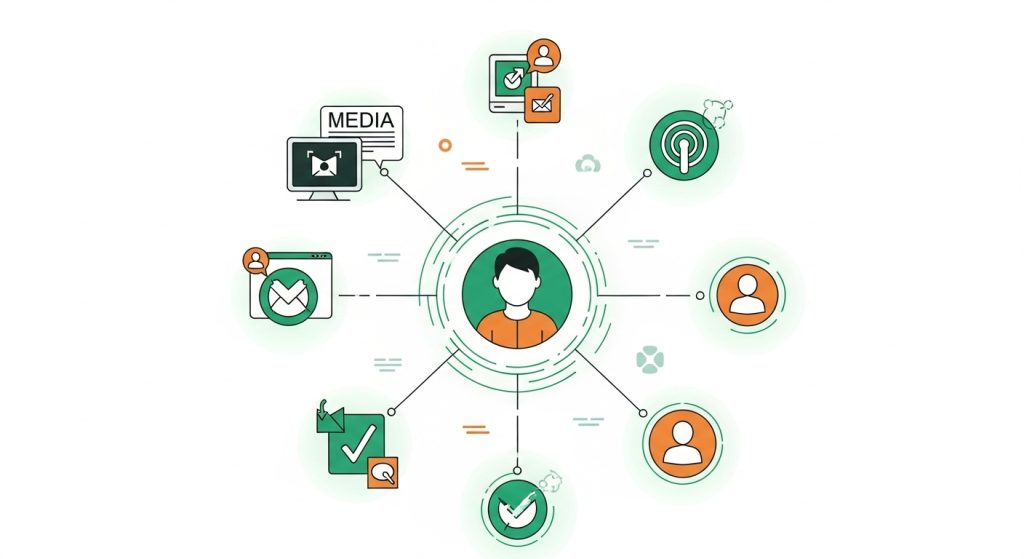
5. The Future of PR: AI, Personal Branding, and Micro-Influence
The PR landscape is evolving rapidly. With AI-powered algorithms curating visibility, your personal brand’s digital footprint determines who sees your story.
Here are emerging trends shaping the future:
- AI-Enhanced Discoverability: Google’s AI Overview and NLP algorithms favor humanized, expert-driven content. Profiles that demonstrate expertise, authority, and trust (E-E-A-T) will rank higher.
- Micro-Influencers Rising: Smaller but loyal audiences deliver deeper engagement, giving personal brands more power than corporate PR campaigns.
- Authenticity as Currency: Gen Z and millennials prioritize transparency over polish—human flaws are now media assets.
- Video-First Branding: Live sessions, podcasts, and short-form videos outperform text-only PR pitches.
If you want consistent media coverage in the future, your personal brand must evolve with these digital storytelling shifts.
6. Actionable Steps to Strengthen Your Media-Ready Personal Brand
To align your branding with PR goals, start with these practical actions:
- Audit Your Online Presence: Google your name—what story do the first three results tell?
- Define a Signature Message: What’s the one idea you want people (and journalists) to associate with you?
- Build a Media Kit: Include a professional bio, headshots, and past features to make you press-ready.
- Leverage LinkedIn Articles and Guest Posts: Contribute expert insights to relevant publications to build backlinks and credibility.
- Track Mentions and Opportunities: Tools like Google Alerts and HARO (Help a Reporter Out) connect you with journalists seeking expert quotes.
By consistently refining your personal brand, you’ll position yourself as a credible source worth featuring.
7. FAQs: Voice-Search-Friendly Insights About Media Coverage and Personal Branding
Q1: How does personal branding help in getting media coverage?
A strong personal brand builds trust and makes journalists confident in quoting or featuring you as an expert source.
Q2: What platforms are best for building a media-friendly personal brand?
LinkedIn, X (Twitter), and YouTube are ideal for thought leadership and professional credibility.
Q3: How long does it take for personal branding to attract PR attention?
With consistent content and visibility, noticeable traction can begin within 6–12 months.
Q4: Do I need PR agencies to get featured in media?
Not necessarily. Many professionals secure interviews and features organically by nurturing relationships with journalists.
Q5: How important are visuals in personal branding for PR?
Extremely important. High-quality images and videos create a recognizable identity and improve media appeal.
Q6: What kind of content attracts media attention most?
Authentic storytelling, data-driven insights, and socially relevant opinions tend to perform best.
Q7: How do I maintain credibility once I gain media exposure?
Stay consistent with your values, continue sharing useful knowledge, and acknowledge your audience’s trust.
Conclusion: Your Name Is the New PR Strategy
The days of hiding behind a brand name are gone. In this digital era, your personal brand is your greatest PR asset. It tells your story, earns attention, and builds trust long before any press release is written.
You don’t need to chase the media—when your personal branding aligns with authenticity and value, the media finds you.
Remember, the world doesn’t just want experts—it wants relatable humans who inspire, educate, and lead with purpose.
Start today, and let your personal brand open doors that traditional PR could only dream of.