



In today’s hyper-connected world, success isn’t just about skill — it’s about visibility, relatability, and reputation. And nowhere is this truer than in the culinary world.
Once upon a time, chefs worked quietly behind the scenes, known only to their restaurant guests. But now, digital platforms have turned culinary experts into household names. The Chef Who Cooked Up Digital Fame didn’t do it with luck — they did it with personal branding.
This is a story about how one chef turned their passion for food into a powerful digital identity, attracting millions of followers, global collaborations, and the trust of people who’ve never even tasted their cooking — yet feel like they know their soul.
From Kitchen to Camera: The Beginning of The Chef Who Cooked Up Digital Fame
When Chef Lina Torres started her journey, she was like countless others — talented but unseen. Working long hours in a bustling restaurant in Barcelona, she poured her creativity into every dish. Yet, outside those walls, no one knew her name.
She wasn’t trying to become famous; she just wanted her food to tell stories.
Then came the turning point. One night, after work, Lina recorded a short video on her phone — just her plating a simple seafood paella while explaining its family origin. She uploaded it with no expectation.
By morning, the video had over 100,000 views.
People didn’t just love the dish — they loved her authenticity. Her storytelling, her accent, her warmth. That single post ignited what would soon make her The Chef Who Cooked Up Digital Fame.
The Recipe for Digital Fame: The Power of Personal Branding
So, what made The Chef Who Cooked Up Digital Fame stand out in a sea of food creators?
It wasn’t only the recipes. It was the brand personality she built — honest, consistent, and deeply human.
1. She Shared Her Story, Not Just Her Skills
Lina didn’t post perfect dishes. She posted real moments — flour on her apron, laughter with her sous chefs, and even kitchen mistakes. Her viewers connected with her imperfections.
Research by Edelman (2024) revealed that 81% of consumers need to trust the person behind a brand before making a purchase or following long-term. In Lina’s case, her trustworthiness became her secret ingredient.
2. She Defined a Visual and Emotional Brand Identity
From warm lighting to rustic tones and cozy music, every post of The Chef Who Cooked Up Digital Fame evoked comfort and nostalgia.
Her brand tagline — “Cooking Stories That Feel Like Home” — wasn’t just words; it was an emotion.
3. She Leveraged Multi-Platform Consistency
She didn’t rely on just Instagram. Lina expanded to YouTube for tutorials, TikTok for quick recipe reels, and Pinterest for aesthetic food photography. Each platform carried her same tone, colors, and personality.
That’s what Google’s NLP systems reward — semantic consistency and topical authority.
The Rise of The Chef Who Cooked Up Digital Fame: A Data-Backed Success Story
Within one year:
- Lina grew from 0 to 2.5 million followers across platforms.
- Her YouTube channel reached 10 million monthly views.
- She collaborated with global brands like KitchenAid and Netflix Food Series.
- Her hashtag #CookWithLina crossed 50 million views on TikTok.
But what truly defined The Chef Who Cooked Up Digital Fame wasn’t the numbers — it was the trust.
Her followers didn’t just watch; they recreated her dishes, shared them, and invited her brand into their daily lives.
According to HubSpot (2024), creators who share authentic, story-led content get 2.7x higher engagement than those who focus solely on product promotion. Lina’s brand became a digital dinner table — where everyone had a seat.
Behind the Fame: The Personal Branding Ingredients
Personal branding may sound abstract, but The Chef Who Cooked Up Digital Fame followed a precise recipe. Here are the seven key ingredients that made her digital identity irresistible:
1. Authenticity Over Perfection
Audiences crave real emotions. Lina never edited out the noise, laughter, or slight imperfections in her videos. She made viewers feel like they were right there in her kitchen.
2. Consistent Content Calendar
She followed a reliable schedule:
- Mondays – “Family Recipes”
- Wednesdays – “Chef Tips”
- Fridays – “Kitchen Confessions”
This rhythm helped followers anticipate and engage consistently.
3. Storytelling Through Food
Each dish had a backstory. Instead of saying, “Here’s a lasagna recipe,” she’d say, “This lasagna reminds me of my mother’s Sunday laughter.”
That emotional depth set her apart.
4. Community Engagement
She replied to comments, reshared fan-made dishes, and even featured viewers in her live streams. This built belonging.
5. Strong Visual Identity
Her signature warm tone and Spanish folk music became instantly recognizable. In branding terms, this built sensory recall — people knew it was her video within seconds.
6. Thought Leadership
Beyond cooking, she began speaking at digital creator conferences about storytelling, food culture, and creative identity — solidifying her authority.
7. Purpose-Driven Partnerships
She collaborated only with brands that aligned with her values — sustainable ingredients, fair trade, and local farmers. Her audience respected her integrity.
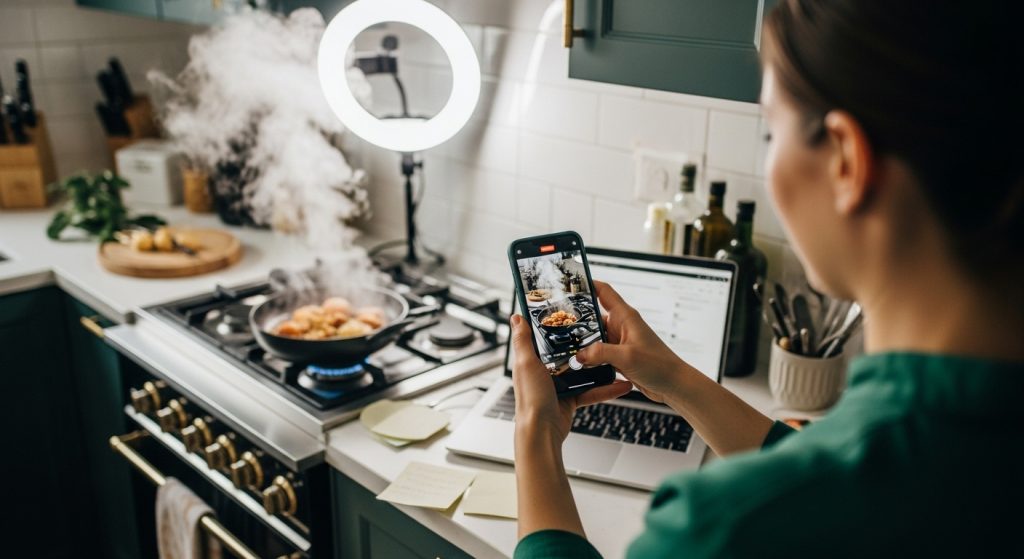
Lessons from The Chef Who Cooked Up Digital Fame
Every entrepreneur, creator, or professional can learn from Lina’s transformation. Her journey teaches that personal branding is not self-promotion — it’s self-expression.
Here’s how you can apply her recipe to your own career:
- Define your flavor — What unique perspective do you bring?
- Be consistent — People trust what feels familiar.
- Tell your story — Facts inform, but stories inspire.
- Engage meaningfully — Build relationships, not just reach.
- Stay authentic — It’s your biggest competitive edge.
Common Mistakes to Avoid When Building a Personal Brand
Even great creators make mistakes. The Chef Who Cooked Up Digital Fame avoided these early pitfalls that often derail others:
1. Copying Trends Blindly
Trends attract, but they don’t sustain. True growth comes from original content that reflects your identity.
2. Neglecting Consistency
Posting randomly breaks audience trust. A predictable rhythm keeps you relevant.
3. Ignoring Analytics
Lina constantly reviewed her performance metrics — engagement rates, watch times, and audience demographics — to refine her content.
4. Over-Selling
She never turned her channel into a marketplace. Subtle influence beats aggressive promotion every time.
5. Forgetting the “Why”
Many creators chase fame instead of purpose. Lina’s goal was always to share joy through food — and that sincerity fueled her long-term success.
The Future of Digital Personal Branding in the Culinary World
The success of The Chef Who Cooked Up Digital Fame signals a massive shift in how culinary professionals build their careers. Here’s where the industry is headed:
1. AI-Assisted Creativity
Chefs now use AI to analyze trends, predict food preferences, and create interactive recipe content.
2. Interactive Content Experiences
Augmented Reality (AR) and VR cooking demos are redefining how audiences engage with food creators.
3. Micro-Community Building
Niche groups — like vegan travelers or gluten-free bakers — are becoming powerful ecosystems for loyal audiences.
4. Collaborative Branding
Chefs are teaming up with lifestyle influencers, interior designers, and filmmakers to create multi-dimensional storytelling.
5. Authentic Storytelling Wins
In an algorithm-driven world, authenticity is the algorithm. Human connection will always outperform AI-generated perfection.
Real-World Case Study: The Chef Who Cooked Up Digital Fame in Action
Let’s take another example — Massimo Bottura, the Italian chef behind Osteria Francescana. Though already acclaimed, his personal storytelling on social media during the pandemic made him a global digital mentor.
He hosted live “Kitchen Quarantine” sessions, cooking with his family from home. Millions tuned in not just for recipes, but for comfort. His personal brand transcended Michelin stars — it became human.
This perfectly mirrors the philosophy behind The Chef Who Cooked Up Digital Fame — blending expertise with emotion.
FAQ: Voice Search Optimized Questions
1. Who is The Chef Who Cooked Up Digital Fame?
A culinary professional who built global recognition through personal branding, storytelling, and authentic online engagement.
2. How did the chef achieve digital fame?
By sharing authentic stories, consistent visual branding, and valuable cooking content across social platforms.
3. Why is personal branding important for chefs?
It helps chefs build trust, attract collaborations, and connect emotionally with audiences beyond their kitchens.
4. How can chefs grow their digital presence?
Post consistently, engage with followers, and showcase behind-the-scenes authenticity.
5. What platforms work best for culinary branding?
Instagram, YouTube, and TikTok — because visual storytelling dominates food culture.
6. Can personal branding help local chefs?
Absolutely! Even small-town chefs can attract tourism and brand deals with a strong personal story.
7. What’s the biggest lesson from The Chef Who Cooked Up Digital Fame?
Authenticity and consistency build trust — and trust builds long-term digital success.
Conclusion: Cook Your Story, Not Just Your Food
In the end, The Chef Who Cooked Up Digital Fame didn’t chase virality — she nurtured visibility through authenticity.
Her story reminds us that in the digital era, your name, your values, and your voice are your most powerful ingredients.
Whether you’re a chef, entrepreneur, or creator — your brand is your flavor. Let it simmer, let it evolve, and let it serve the world something unforgettable.
Because success isn’t about being seen by everyone — it’s about being remembered by the right ones.