


Introduction: Why Credibility is Fragile in 2025
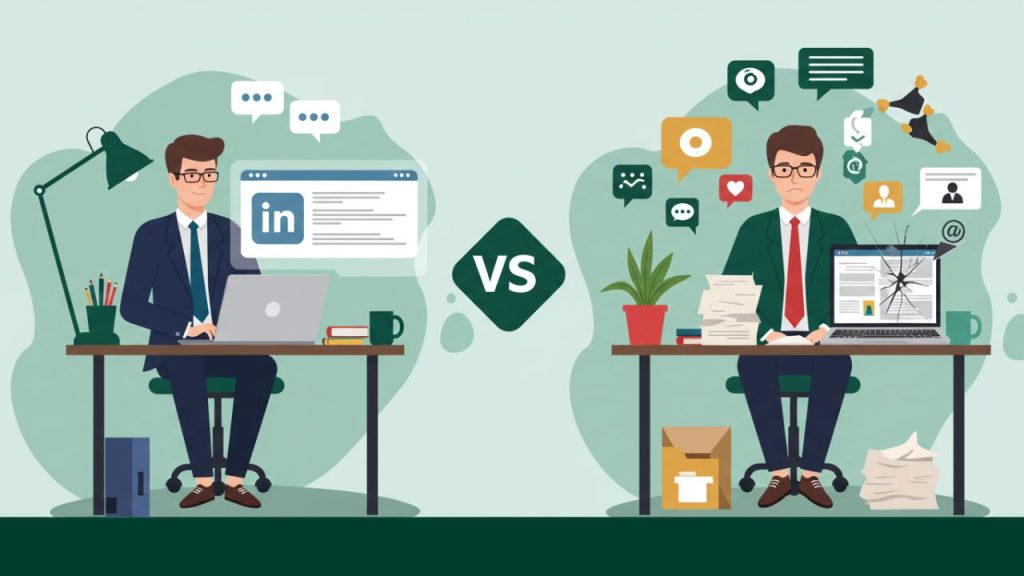
Have you ever met someone whose résumé looked perfect, but the moment you searched their name online, you felt something was missing? Maybe their LinkedIn profile was outdated, their Instagram was filled with random content, or their website looked like it hadn’t been updated in years. Instantly, doubts about their credibility appeared.
This is the hidden risk of personal branding mistakes. In today’s digital-first world, credibility is either built or broken by your personal brand. In fact, a 2023 LinkedIn survey revealed that 70% of recruiters reject candidates due to weak or inconsistent branding—even if their qualifications are strong.
Therefore, building a strong and credible personal brand is no longer optional—it is essential.
What is Personal Branding?
Personal branding is the intentional effort to showcase your values, expertise, and personality in a way that builds trust and recognition. It is not just about logos or polished pictures—it is about perception, influence, and authenticity.
Mistake #1: Inconsistency Between Online & Offline Identity
Your personal brand should feel seamless. When someone meets you in person, they should see the same personality, tone, and values that they notice online.
Fix: Audit all your platforms every quarter. Update LinkedIn, website, and email signatures so they match your current identity.
Mistake #2: Focusing on Self-Promotion Instead of Value
Constantly talking about your achievements makes you look arrogant. Instead, people trust those who share insights and value-driven content.
Fix: Apply the 80/20 rule—share 80% value (tips, case studies, lessons) and 20% achievements.
Mistake #3: Ignoring Visual & Professional Presentation
First impressions happen within 0.05 seconds. Poor visuals like outdated photos or clumsy designs signal “unprofessional.”
Fix: Invest in high-quality headshots, clean templates, and a simple brand color palette.
Mistake #4: Copying Instead of Differentiating
Imitating other thought leaders makes you look fake. Audiences instantly notice when you’re not original.
Fix: Share your own journey, failures, and insights. Originality builds stronger credibility than mimicry.
Mistake #5: Neglecting Consistency in Content & Engagement
Posting once in three months destroys trust. Consistency is the backbone of influence.
Fix: Commit to a simple posting rhythm—even once per week strengthens your presence.
Mistake #6: Oversharing Without Boundaries
Being relatable is good, but sharing too much personal drama or irrelevant opinions can hurt your credibility.
Fix: Share personal stories with purpose. Always ask: “Does this add value to my audience?”
Mistake #7: Ignoring Feedback & Reputation Signals
Not responding to feedback or criticism makes your brand look careless.
Fix: Monitor comments and reviews. Respond with humility, accept mistakes, and engage positively.
Future Trends in Personal Branding Credibility
- AI Verification: Audiences will rely on verified voices.
- Micro-Narratives: Short-form videos and stories will shape first impressions.
- Value-First Branding: Thought leadership plus empathy will dominate.
- Community Trust: Peer recommendations will matter more than polished profiles.
Real Success Story: Rebuilding Credibility in 6 Months
One of my clients, a consultant, faced rejections despite strong skills. His LinkedIn looked outdated, and his posts were too self-focused. We refreshed his visuals, shifted content to value-driven posts, and created weekly consistency.
Result: Within six months, he was invited to two industry events and signed three premium clients.
FAQs on Personal Branding Mistakes
Q1: What is the most damaging branding mistake?
Inconsistency between online and offline identity—it creates instant distrust.
Q2: How do I know if my brand lacks credibility?
If opportunities aren’t coming despite strong skills, your brand may be sending wrong signals.
Q3: Can visuals really affect credibility?
Yes. Poor visuals instantly reduce authority because first impressions are formed within seconds.
Q4: How often should I update my personal brand?
Quarterly reviews are ideal. Update after every milestone or career shift.
Q5: Is self-promotion always bad?
No, but balance it. Keep it at 20% achievements and 80% insights.
Q6: Can I recover if I’ve already made mistakes?
Absolutely. With consistent and authentic efforts, credibility can be rebuilt within months.
Conclusion: Credibility is Earned, Not Claimed
Your personal brand is not what you say—it’s what people perceive. Each post, profile update, and interaction is either building or breaking credibility. Avoiding the mistakes above will help you establish authority, trust, and long-term influence.
The choice is yours: will your brand strengthen your credibility—or silently kill it?