



Introduction: The Harsh Reality Few Talk About
Scroll through LinkedIn or Instagram today and you’ll see countless professionals trying to build a presence—yet very few actually stand out. The reality is brutal: 90% of professionals fail at personal branding. Not because they lack talent or ambition, but because they misunderstand what personal branding really is.
When I first started building my own brand, I too fell into the traps of inconsistency, over-polishing, and focusing on image over value. Only after months of trial and error did I realize: successful personal branding is not about perfection—it’s about psychology, strategy, and authenticity.
In this article, you’ll discover why most professionals fail, the hidden pitfalls, and how to build a brand that thrives.
The Core Problem: Misunderstanding Personal Branding
The biggest misconception is thinking personal branding equals self-promotion. Many assume it’s about logos, professional photos, or posting quotes daily.
The truth: Personal branding is about perception and trust—the story people tell about you when you’re not in the room.
- Stat Insight: 70% of professionals say personal branding is important, yet only 15% invest consistent time in it (LinkedIn survey).
- Case Study: A mid-level manager I coached had a stellar resume but zero online presence. Recruiters found nothing when they searched her name—so opportunities passed her by.
1. Inconsistency: The Silent Brand Killer
Consistency is the backbone of trust. Yet, most professionals fail to show up regularly.
- Example: Imagine someone posts for one week, disappears for months, then returns with a flood of updates. Trust vanishes.
- Psychology Behind It: The mere-exposure effect proves repeated exposure builds trust. Sporadic branding kills credibility.
Actionable Tip: Stick to a posting schedule. Even once a week is better than silence.
2. Lack of Authenticity: The Over-Polished Persona
Audiences spot fake personas instantly. Over-engineered images and cliché quotes fail to connect.
- Case Study: A corporate executive presented a flawless brand—perfect images, generic posts. Engagement stayed flat.
- Real Example: Brené Brown grew her influence by embracing imperfection and vulnerability.
Actionable Tip: Share your wins and struggles. Authenticity builds connection.
3. Focusing on Image, Not Value
A great headshot may catch attention—but without substance, it won’t last.
- Stat Insight: 82% of people trust professionals who share industry insights regularly (Edelman Trust Barometer).
- Example: Gary Vaynerchuk grew not through visuals, but through daily value-driven content.
Actionable Tip: Make 70% of your content about value—tips, insights, lessons—not self-promotion.
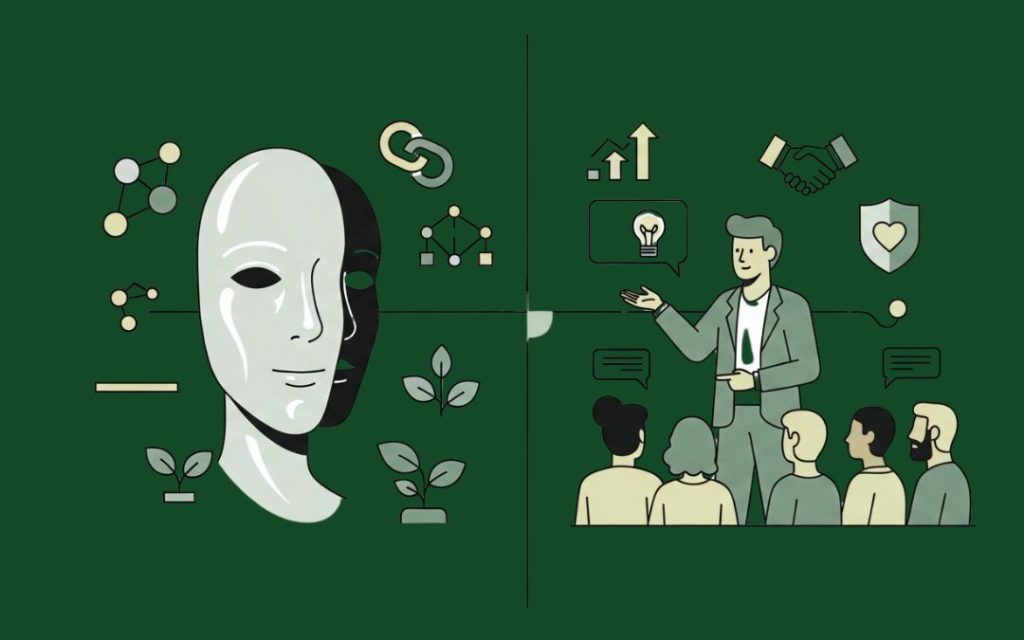
4. Ignoring Storytelling: Facts Don’t Inspire, Stories Do
Facts are forgettable—stories aren’t.
- Psychology: Stories are 22x more memorable because they engage empathy and imagination.
- Example: Elon Musk doesn’t just sell cars; he sells a mission to save the planet.
Actionable Tip: Frame experiences as stories with challenges, turning points, and lessons.
5. Fear of Visibility and Judgment
Fear keeps many professionals silent. “What will people think?” stops them from showing up.
- Case Study: A talented freelancer avoided LinkedIn for months. Peers who started posting landed big contracts while she stayed invisible.
- Psychology: Our brains avoid rejection—but in branding, silence is more damaging than criticism.
Actionable Tip: Progress beats perfection. Start small and improve along the way.
Common Mistakes to Avoid
- Copying others instead of creating your unique voice.
- Posting without knowing your audience.
- Ignoring engagement (branding is a two-way street).
- Chasing vanity metrics like likes/followers.
- Disconnect between online and offline presence.
Real Success Stories
- Michelle Obama: Built a brand around empathy, storytelling, and relatability.
- Richard Branson: His approachable style turned Virgin into more than a company—it became a lifestyle.
- Everyday Professional: A marketer posting weekly tips on LinkedIn—within 8 months, she was speaking at panels.
Future Trends in Personal Branding
- AI-Powered Visibility: Algorithms rewarding consistent, authentic voices.
- Micro-Influence Over Mass Influence: Niche expertise > follower count.
- Community-Driven Brands: Shared spaces will matter more than solo voices.
- Raw Content: Behind-the-scenes authenticity will outperform polished campaigns.
FAQs on Personal Branding
1. Why do most professionals fail at personal branding?
Because they confuse it with self-promotion instead of building trust and delivering value.
2. How long does it take to build a strong personal brand?
Typically 6–12 months of consistent effort produces visible results.
3. Do introverts struggle more with personal branding?
Not at all—many succeed because of their depth and authenticity.
4. Is personal branding only for entrepreneurs?
No—it’s equally important for employees, leaders, freelancers, and students.
5. What’s the #1 mistake to avoid?
Inconsistency. Disappearing makes you forgettable.
6. Do I need professional photos or a logo?
Nice-to-have, but not essential. Authenticity and consistency matter more.
7. Can personal branding help my career?
Yes—93% of employers check online presence before hiring (CareerBuilder survey).
Conclusion: Don’t Be in the 90%
Most professionals fail at personal branding—not because they lack skills, but because they don’t put in consistent, authentic effort.
If you want to be in the top 10%, remember: personal branding isn’t about looking perfect—it’s about being valuable, authentic, and visible.
Your skills are the foundation—but your personal brand is the bridge that connects those skills to opportunities. Build it with clarity, and you’ll stop competing for attention and start commanding it.